No products in the cart.

The nose is the channel through which our breath carries prana, the life force, into the body. In Ayurveda, it is considered the doorway to consciousness. Nasya Oil cleanses and protects the nasal passages and nourishes the tissues, promoting clear breathing and a calm mind.
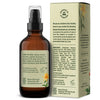
Nasya Oil is Banyan's signature nasya formula, crafted with herbs renowned for supporting the mind, respiratory system, and the channel of prana. Balancing for all three doshas, this certified organic nasal oil combines traditional Ayurvedic wisdom with aromatic essential oils that bring clarity, balance, and protection to your daily routine.
Benefits of Nasya Oil:
Using Nasya Oil takes only a few minutes.
How to Use
You can apply Nasya Oil either lying down or sitting up, whichever is most comfortable for you.
Do not use if you are pregnant or have a cold, flu, or sinus infection.
Warning: All oils make surfaces slippery and can be combustible. Use caution when drying or storing linens exposed to oils as they are potentially combustible when exposed to heat. Consult your dryer manufacturer's guidelines for drying linens that have been in contact with oils.

Also known as vacha and sweet flag, calamus root is a highly aromatic and clarifying herb that is traditionally used for massage or nasya.*

Sourced from a small farm in Gujarat, India, this small, water-loving plant is traditionally used to support the brain and nervous system.*

Native to North America, skullcap is a flowering perennial in the mint family that is traditionally known and used to support relaxation.*